

Blog
Change Management Strategies Every Leader Must Know
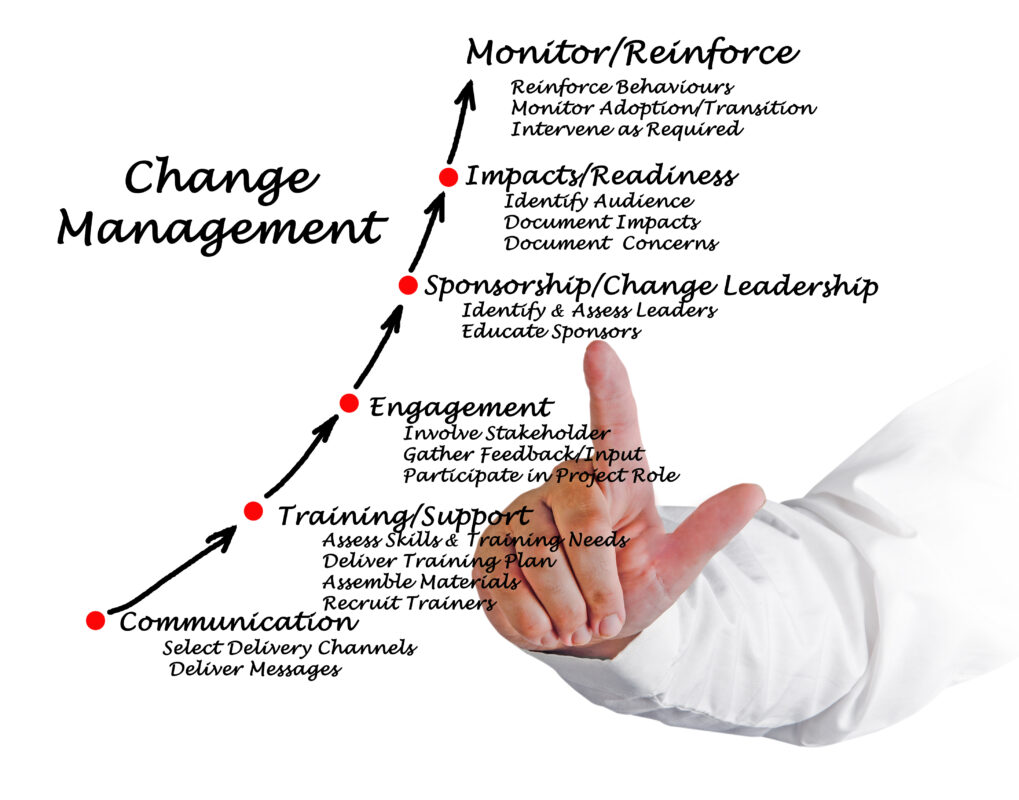
In an era defined by technological disruption, economic volatility, regulatory shifts, and evolving customer expectations, organisational change is no longer occasional—it is constant. Leaders who resist change risk stagnation, while those who embrace it strategically position their organisations for growth and resilience.
At the London School of Business Administration, we emphasise that effective change management is not simply about implementing new systems or processes. It is about guiding people through transition with clarity, structure, and purpose. Change management is fundamentally a leadership discipline that integrates strategic planning, communication, and emotional intelligence.
Understanding the Nature of Organisational Change
Organisational change may take various forms, including:
- Digital transformation initiatives
- Structural reorganisation
- Cultural shifts
- Mergers and acquisitions
- Process redesign
- Strategic repositioning
Regardless of its form, change disrupts established routines and introduces uncertainty. Without structured leadership, resistance and confusion may undermine intended outcomes.
Why Change Management Fails
Many change initiatives fail not because of flawed strategy but because of inadequate execution. Common challenges include:
- Poor communication
- Lack of employee engagement
- Insufficient leadership alignment
- Inadequate training and support
- Resistance due to fear of uncertainty
Understanding these barriers enables leaders to design more effective change strategies.
Strategy 1: Establish a Clear Vision
Every successful change initiative begins with a compelling and clearly articulated vision. Leaders must answer:
- Why is the change necessary?
- What are the anticipated benefits?
- How will it impact stakeholders?
A well-communicated vision reduces ambiguity and builds collective commitment. Employees are more likely to support change when they understand its purpose and long-term value.
Strategy 2: Secure Leadership Alignment
Change initiatives require visible and consistent leadership support. Senior leaders must demonstrate unity and commitment.
Alignment ensures:
- Consistent messaging
- Clear decision-making authority
- Credible endorsement of the change
Without leadership coherence, employees may question the legitimacy of the initiative.
Strategy 3: Engage Stakeholders Early
Involving employees and key stakeholders in the change process fosters ownership and reduces resistance.
Engagement strategies include:
- Open forums and discussions
- Feedback mechanisms
- Cross-functional planning teams
- Transparent communication channels
Participation transforms change from an imposed directive into a collaborative effort.
Strategy 4: Communicate Transparently and Continuously
Communication is central to effective change management. Leaders should provide:
- Regular updates on progress
- Honest acknowledgement of challenges
- Clear explanations of decisions
- Opportunities for dialogue
Transparent communication builds trust and minimises misinformation.
Strategy 5: Address Emotional Responses
Change often generates anxiety, uncertainty, and resistance. Leaders must recognise the emotional dimension of transformation.
Emotionally intelligent leadership involves:
- Active listening
- Empathy towards concerns
- Patience during adaptation
- Recognition of employee contributions
Addressing emotional responses strengthens morale and facilitates smoother transitions.
Strategy 6: Provide Training and Support
Successful implementation depends on equipping employees with the skills required to operate within new systems or processes.
Effective support includes:
- Structured training programmes
- Access to resources and guidance
- Mentorship or coaching
- Performance monitoring
Without adequate support, even well-designed strategies may falter.
Strategy 7: Implement Incrementally Where Possible
Large-scale change can be overwhelming. Phased implementation allows organisations to:
- Test new processes
- Identify potential issues
- Adjust strategies as needed
- Build confidence gradually
Incremental progress reduces disruption and enhances sustainability.
Strategy 8: Monitor and Evaluate Progress
Change management does not end with implementation. Continuous evaluation ensures that objectives are achieved and challenges are addressed.
Performance indicators may include:
- Employee engagement metrics
- Productivity levels
- Customer satisfaction outcomes
- Financial performance measures
Regular assessment enables corrective action and reinforces accountability.
Strategy 9: Reinforce and Sustain Change
For change to endure, it must become embedded within organisational culture.
Leaders can reinforce change by:
- Aligning performance incentives
- Recognising change champions
- Updating policies and procedures
- Modelling desired behaviours
Sustainable change requires integration into daily practices rather than temporary adjustment.
The Role of Culture in Change Management
Organisational culture significantly influences the success of change initiatives. Cultures characterised by adaptability, learning, and open communication are more receptive to transformation.
Leaders should cultivate environments that encourage innovation, constructive feedback, and continuous improvement.
Change Leadership in the Digital Era
Digital transformation has intensified the pace of change. Automation, artificial intelligence, and remote working models demand agile leadership.
Modern change leaders must:
- Embrace technological literacy
- Encourage continuous skill development
- Promote cross-functional collaboration
- Maintain flexibility in strategic planning
Adaptability has become a core leadership competency.
Developing Change Management Competence
Effective change management requires a combination of strategic insight, communication skill, emotional intelligence, and analytical thinking.
At the London School of Business Administration, our Leadership and Management programmes equip professionals with frameworks and practical tools to lead change confidently. Through case analysis, strategic planning exercises, and leadership development modules, participants gain the capability to navigate organisational transformation successfully.
Conclusion
Change is inevitable in contemporary business environments. However, successful change is not accidental; it is carefully planned, thoughtfully communicated, and strategically executed.
Leaders who understand and apply effective change management strategies foster resilience, strengthen organisational culture, and position their organisations for long-term growth. In a rapidly evolving global landscape, mastering change management is not optional—it is essential for sustainable leadership success.