Blog
How to Build and Lead High-Performing Teams
In today’s dynamic and competitive business environment, organisational success increasingly depends on the strength of its teams. While individual expertise remains valuable, sustainable performance is achieved when diverse individuals collaborate effectively toward shared objectives. High-performing teams are not accidental outcomes; they are deliberately built and strategically led.
At the London School of Business Administration, we emphasise that building and leading high-performing teams requires structured leadership, emotional intelligence, clarity of purpose, and a culture of accountability. This article explores the core principles and practices that underpin effective team performance.
Understanding High-Performing Teams
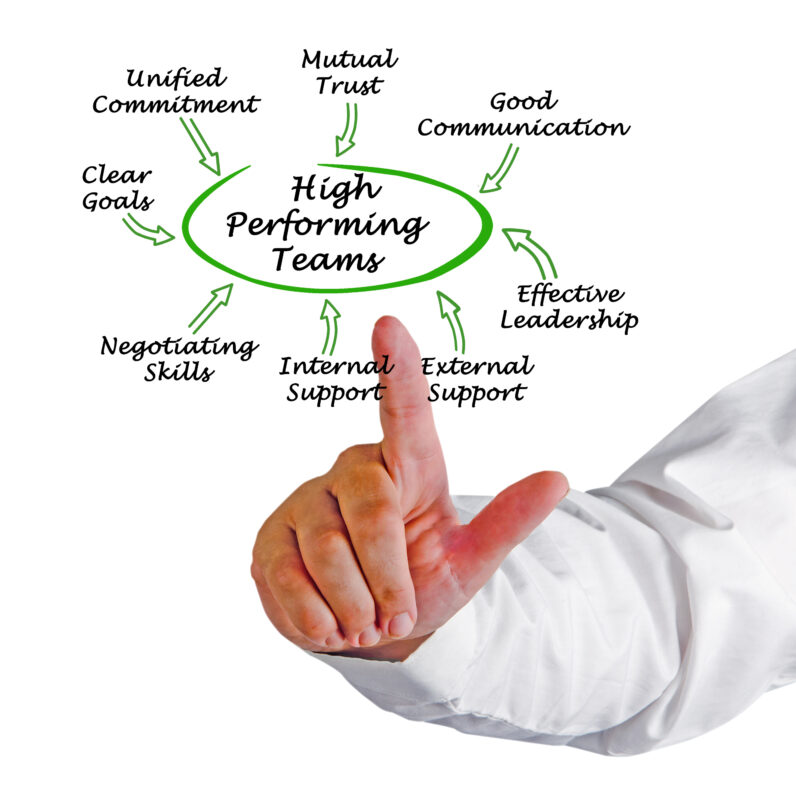
A high-performing team is characterised by consistent achievement of objectives, strong collaboration, mutual trust, and adaptability under pressure. Such teams demonstrate:
- Clear shared goals
- Defined roles and responsibilities
- Open communication
- Mutual respect
- Collective accountability
Performance is not solely measured by output but also by cohesion, resilience, and innovation.
Step 1: Establish a Clear Vision and Objectives
Teams require direction. A compelling vision aligns individual efforts with organisational strategy. Leaders must articulate not only what the team aims to achieve but also why it matters.
Effective objectives should be:
- Specific and measurable
- Realistic yet challenging
- Aligned with organisational goals
- Communicated clearly to all members
When team members understand the purpose of their work, engagement and commitment increase significantly.
Step 2: Select Complementary Skills and Diversity
High-performing teams benefit from diverse perspectives and complementary competencies. Leaders should consider:
- Technical expertise
- Problem-solving abilities
- Communication skills
- Cultural and experiential diversity
Diverse teams often generate more innovative solutions, provided that differences are managed constructively.
Recruitment and team composition are therefore strategic decisions rather than administrative tasks.
Step 3: Foster Psychological Safety and Trust
Trust is foundational to team effectiveness. Without psychological safety, members may hesitate to share ideas or voice concerns.
Leaders cultivate trust by:
- Encouraging open dialogue
- Respecting differing opinions
- Demonstrating fairness and integrity
- Addressing conflict constructively
When team members feel safe to contribute, creativity and collaboration flourish.
Step 4: Define Roles and Accountability
Clarity in roles prevents confusion and duplication of effort. Each team member should understand:
- Their specific responsibilities
- Performance expectations
- Reporting structures
- Decision-making authority
Accountability ensures that tasks are completed efficiently and standards are maintained. High-performing teams balance autonomy with responsibility.
Step 5: Encourage Effective Communication
Communication is the lifeblood of team performance. Miscommunication can lead to inefficiency, conflict, and reduced morale.
Leaders should:
- Establish clear communication channels
- Promote regular feedback
- Facilitate collaborative discussions
- Ensure transparency in decision-making
Active listening and clarity in messaging strengthen team cohesion.
Step 6: Promote Continuous Development
High-performing teams are committed to growth. Leaders should invest in:
- Skill development programmes
- Cross-training opportunities
- Performance reviews
- Constructive feedback mechanisms
Continuous learning enhances adaptability and prepares teams to navigate changing environments.
Step 7: Manage Conflict Constructively
Conflict is inevitable in diverse teams. However, unmanaged conflict can undermine performance.
Effective leaders approach conflict by:
- Identifying underlying issues
- Encouraging respectful dialogue
- Seeking solutions rather than assigning blame
- Maintaining focus on shared objectives
When managed effectively, conflict can generate innovative solutions and strengthen relationships.
Step 8: Recognise and Reward Performance
Recognition reinforces positive behaviours and motivates sustained effort. Rewards may include:
- Public acknowledgment
- Professional development opportunities
- Financial incentives
- Increased responsibility
Recognition demonstrates appreciation and strengthens team morale.
Leadership Styles and Team Performance
Different leadership styles influence team dynamics. Transformational leadership, for example, inspires and motivates through vision and enthusiasm. Participative leadership encourages collaboration and shared decision-making. Situational leadership adapts style according to team maturity and task complexity.
Effective leaders adjust their approach based on context, team capability, and organisational goals.
High-Performing Teams in a Digital Era
Remote and hybrid working models have transformed team dynamics. Digital collaboration tools facilitate communication but may also introduce challenges related to engagement and coordination.
Leaders must:
- Establish structured virtual communication practices
- Promote inclusivity in online discussions
- Monitor engagement levels
- Maintain cultural cohesion across locations
Digital leadership requires intentional effort to sustain connection and trust.
Measuring Team Performance
Performance assessment ensures continuous improvement. Metrics may include:
- Achievement of project milestones
- Productivity levels
- Quality indicators
- Employee engagement scores
- Customer satisfaction outcomes
Quantitative and qualitative evaluation provides a comprehensive understanding of team effectiveness.
Developing Team Leadership Competence
Building and leading high-performing teams demands strategic awareness, interpersonal skill, and emotional intelligence. Leaders must balance results orientation with relational competence.
At the London School of Business Administration, our Leadership and Management programmes equip professionals with frameworks for team development, conflict resolution, performance management, and strategic alignment. Through case-based learning and practical exercises, participants gain the capability to cultivate collaborative and resilient teams.
Conclusion
High-performing teams are built through deliberate leadership, clear objectives, structured processes, and a culture of trust and accountability. Effective leaders understand that team success is not solely about managing tasks but about inspiring collaboration, fostering development, and sustaining motivation.
In an increasingly complex business landscape, the ability to build and lead high-performing teams is a defining leadership competency. Organisations that invest in team development position themselves for innovation, resilience, and sustained competitive advantage.