

Blog
Emotional Intelligence in Leadership: Driving Team Motivation and Trust
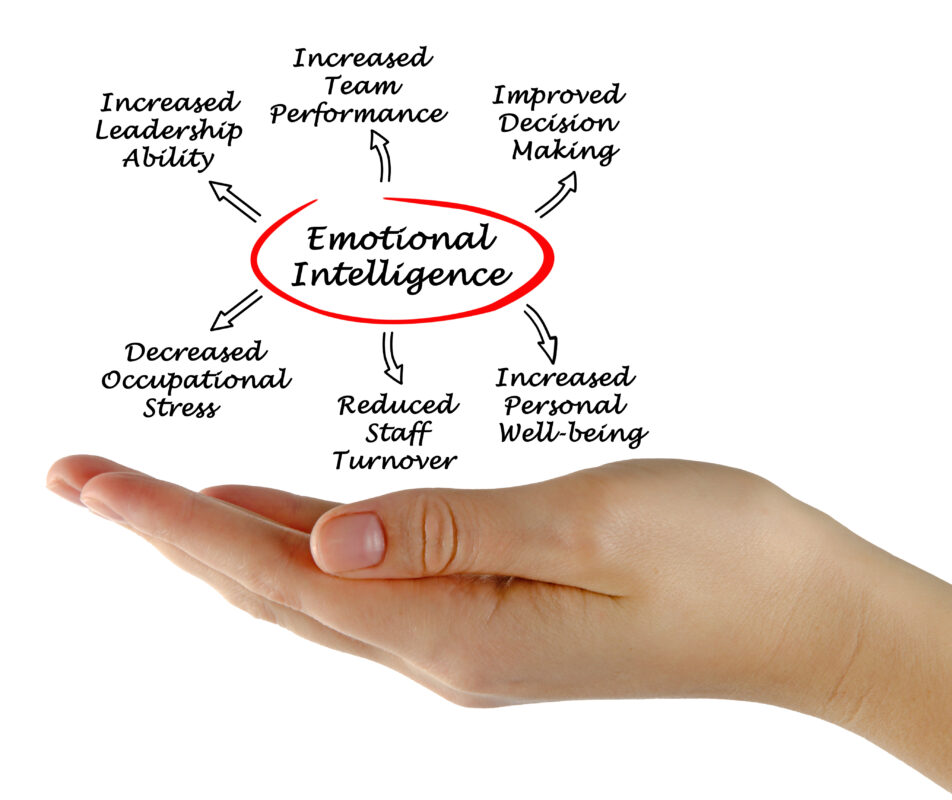
In contemporary organisational environments characterised by rapid change, diverse workforces, and increasing complexity, leadership effectiveness extends beyond technical expertise and strategic competence. While analytical skills and operational efficiency remain essential, research consistently demonstrates that emotional intelligence plays a decisive role in shaping leadership success.
At the London School of Business Administration, we emphasise that emotionally intelligent leadership is not a soft skill peripheral to management; it is a strategic capability that influences motivation, trust, performance, and organisational culture. Leaders who understand and manage emotions—both their own and those of others—are better equipped to foster resilient, engaged, and high-performing teams.
Understanding Emotional Intelligence
Emotional intelligence refers to the capacity to recognise, understand, regulate, and effectively utilise emotions in oneself and others. It is commonly conceptualised through five core dimensions:
- Self-awareness
- Self-regulation
- Motivation
- Empathy
- Social skills
These dimensions collectively shape how leaders respond to challenges, communicate decisions, and build relationships within teams.
Unlike cognitive intelligence, which tends to remain relatively stable, emotional intelligence can be developed through reflection, feedback, and deliberate practice.
Emotional Intelligence and Leadership Effectiveness
Leadership inherently involves influencing others. Influence, however, is rarely sustained through authority alone. It is reinforced by trust, credibility, and relational strength—all of which are enhanced by emotional intelligence.
Leaders with high emotional intelligence demonstrate:
- Composure under pressure
- Sensitivity to team dynamics
- Constructive conflict management
- Clear and respectful communication
- Authentic engagement
Such qualities contribute directly to team morale and organisational cohesion.
Driving Team Motivation
Motivation is not solely driven by financial incentives or formal rewards. Psychological factors—including recognition, belonging, purpose, and respect—significantly influence employee engagement.
Emotionally intelligent leaders enhance motivation by:
1. Recognising Individual Needs
Understanding that team members differ in personality, ambition, and work preferences enables leaders to tailor support and encouragement appropriately.
2. Providing Constructive Feedback
Feedback delivered with empathy and clarity encourages growth rather than defensiveness. Emotionally intelligent leaders balance honesty with sensitivity.
3. Demonstrating Authentic Enthusiasm
Leaders who exhibit genuine commitment to organisational goals often inspire similar dedication among team members.
4. Managing Stress Effectively
By modelling emotional regulation during periods of uncertainty or crisis, leaders reduce anxiety and foster psychological stability within teams.
Motivation flourishes in environments where individuals feel valued, understood, and supported.
Building Trust Through Emotional Intelligence
Trust is foundational to effective teamwork. Without trust, collaboration deteriorates, communication weakens, and productivity declines.
Emotionally intelligent leaders build trust through:
Self-Awareness and Consistency
Leaders who understand their own emotional triggers are less likely to respond impulsively. Predictable and measured behaviour strengthens credibility.
Empathy and Understanding
Empathetic leaders demonstrate concern for employee wellbeing, which fosters loyalty and commitment.
Transparent Communication
Open communication reduces uncertainty and mitigates misunderstandings. Emotional intelligence supports clarity and active listening.
Fairness in Decision-Making
Perceived fairness enhances organisational trust. Leaders who consider emotional and relational implications alongside strategic objectives are more likely to maintain team confidence.
Trust is not established through position but through consistent relational integrity.
Emotional Intelligence in Conflict Management
Conflict is inevitable in organisational settings. Differences in perspective, workload pressures, and competing priorities often generate tension.
Emotionally intelligent leaders approach conflict by:
- Listening actively to all perspectives
- Identifying underlying emotional drivers
- Facilitating respectful dialogue
- Seeking mutually beneficial solutions
Rather than escalating disputes, emotionally intelligent leadership transforms conflict into opportunities for growth and learning.
The Strategic Value of Emotional Intelligence
From an academic perspective, emotional intelligence contributes to organisational performance through several mechanisms:
- Improved employee retention
- Enhanced collaboration
- Reduced workplace stress
- Stronger organisational culture
- Higher productivity levels
Organisations led by emotionally intelligent leaders are often more adaptive and resilient, particularly in volatile market conditions.
Emotional Intelligence in the Digital Era
In remote and hybrid working environments, emotional intelligence has become increasingly important. The absence of physical interaction can lead to miscommunication and reduced engagement.
Leaders must therefore:
- Communicate with heightened clarity
- Show attentiveness in virtual meetings
- Recognise signs of disengagement
- Encourage inclusive participation
Digital leadership demands intentional emotional awareness to maintain connection and motivation.
Developing Emotional Intelligence as a Leader
Emotional intelligence can be cultivated through:
- Reflective practice
- Seeking constructive feedback
- Active listening exercises
- Leadership coaching
- Continuous learning
Managers who invest in developing emotional intelligence enhance both personal effectiveness and organisational outcomes.
At the London School of Business Administration, our Leadership and Management programmes integrate emotional intelligence frameworks alongside strategic and analytical competencies. Through case studies, experiential learning, and structured reflection, participants gain the insight necessary to lead with both authority and empathy.
Conclusion
Emotional intelligence is a defining characteristic of effective leadership in modern organisations. While technical expertise and strategic acumen remain important, the ability to manage emotions, foster trust, and inspire motivation distinguishes exceptional leaders from competent managers.
In environments marked by uncertainty and diversity, emotionally intelligent leadership creates stability, engagement, and sustained performance. By cultivating self-awareness, empathy, and relational competence, leaders not only drive organisational success but also build cultures grounded in trust and mutual respect.
In essence, emotional intelligence transforms leadership from a position of authority into a source of meaningful influence.