

Blog
Predictive Analytics: Shaping the Future of Business Growth
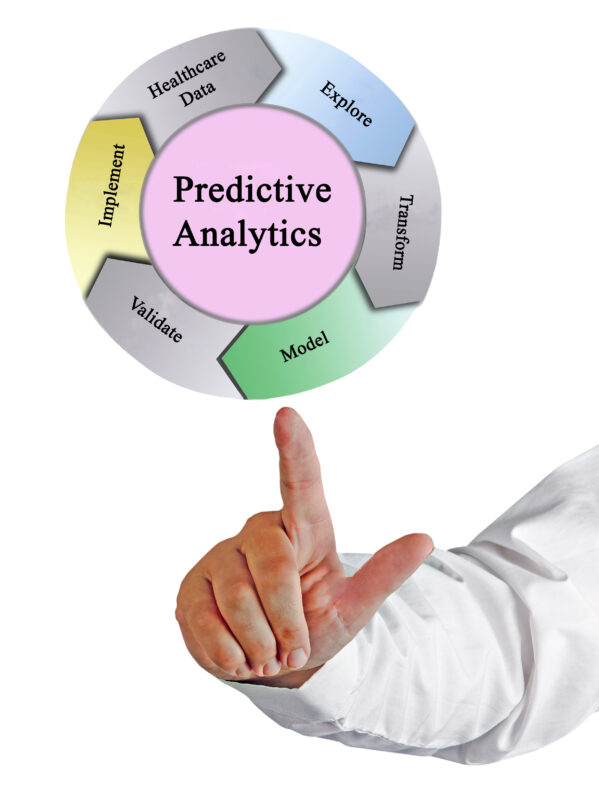
In an era defined by rapid technological advancement and increasing market complexity, organisations must move beyond reactive decision-making. The ability to anticipate trends, forecast outcomes, and respond proactively has become a decisive competitive advantage. Predictive analytics, as a core component of advanced data analysis, is transforming how businesses plan, innovate, and grow.
At the London School of Business Administration, we emphasise that predictive analytics is not simply a technical tool reserved for data scientists. It is a strategic capability that empowers managers to make informed decisions, reduce uncertainty, and position organisations for sustainable expansion.
Understanding Predictive Analytics
Predictive analytics refers to the use of historical data, statistical models, and machine learning techniques to forecast future events or behaviours. By identifying patterns within past performance, organisations can estimate probable outcomes and guide strategic planning.
Unlike descriptive analytics, which explains what has happened, or diagnostic analytics, which explores why it happened, predictive analytics addresses the question: What is likely to happen next?
This forward-looking perspective is particularly valuable in volatile and competitive markets.
The Strategic Value of Predictive Analytics
Predictive analytics enhances business growth through several mechanisms:
- Improving decision accuracy
- Reducing operational uncertainty
- Identifying growth opportunities
- Enhancing customer retention
- Optimising resource allocation
By grounding strategic decisions in probabilistic insights, leaders can move from intuition-based management to evidence-based forecasting.
Applications in Key Business Functions
1. Marketing and Customer Behaviour
Predictive models allow organisations to anticipate customer preferences, purchasing behaviour, and churn risk.
Applications include:
- Customer segmentation based on behavioural trends
- Personalised marketing campaigns
- Forecasting customer lifetime value
- Identifying high-probability leads
By targeting the right customers with relevant messaging, organisations improve conversion rates and strengthen brand loyalty.
2. Sales Forecasting
Sales forecasting models analyse historical sales data, seasonal patterns, and market indicators to project future revenue.
Accurate forecasting supports:
- Inventory planning
- Workforce allocation
- Financial planning
- Production scheduling
This reduces both stock shortages and overproduction, improving operational efficiency.
3. Risk Management
Predictive analytics plays a critical role in identifying potential risks before they materialise.
Examples include:
- Credit risk assessment
- Fraud detection
- Supply chain disruption prediction
- Financial volatility modelling
Proactive risk mitigation strengthens organisational resilience and protects long-term performance.
4. Operational Efficiency
In operations management, predictive models optimise workflows and maintenance schedules.
Predictive maintenance, for instance, anticipates equipment failure before breakdown occurs. This minimises downtime and reduces repair costs.
Such applications directly enhance productivity and cost control.
Data as a Strategic Asset
The effectiveness of predictive analytics depends on data quality, integration, and governance. Organisations must invest in:
- Reliable data collection systems
- Data cleansing and validation processes
- Secure storage and compliance frameworks
- Skilled analytical professionals
Without accurate and relevant data, predictive models lose reliability.
The Role of Artificial Intelligence and Machine Learning
Recent advancements in artificial intelligence have accelerated predictive capabilities. Machine learning algorithms continuously refine predictions by analysing new data inputs.
These technologies enable:
- Real-time decision-making
- Dynamic pricing strategies
- Automated recommendation systems
- Adaptive demand forecasting
However, technological sophistication must be complemented by ethical oversight and strategic clarity.
Ethical and Governance Considerations
As predictive analytics relies heavily on data, ethical concerns regarding privacy, transparency, and fairness are increasingly significant.
Responsible use of predictive analytics requires:
- Compliance with data protection regulations
- Avoidance of algorithmic bias
- Transparent communication of data usage
- Accountability in decision-making processes
Trust remains fundamental to sustainable digital transformation.
Challenges in Implementation
Despite its benefits, predictive analytics implementation presents challenges:
- High initial investment in technology
- Shortage of skilled professionals
- Data silos across departments
- Resistance to change within organisations
Overcoming these challenges requires leadership commitment and a culture that values data-driven decision-making.
Predictive Analytics and Strategic Leadership
From a leadership perspective, predictive analytics enhances strategic agility. Leaders who understand probabilistic forecasting can:
- Evaluate multiple future scenarios
- Allocate resources more effectively
- Identify emerging market opportunities
- Adapt strategies proactively
Predictive insights transform uncertainty into manageable risk.
Preparing for the Future
As digital transformation accelerates, predictive analytics will become increasingly central to business strategy. Organisations that integrate predictive tools into core decision-making processes will outperform competitors reliant solely on retrospective analysis.
Developing competence in predictive analytics requires interdisciplinary understanding—combining statistical reasoning, technological literacy, and strategic thinking.
At the London School of Business Administration, our programmes in Data Analytics, Business Management, and Leadership equip professionals with the analytical frameworks and practical insights necessary to harness predictive analytics responsibly and effectively. Through applied case studies and strategic modelling exercises, participants learn how to translate data into actionable foresight.
Conclusion
Predictive analytics represents a powerful force shaping the future of business growth. By leveraging historical data to anticipate future outcomes, organisations enhance decision accuracy, mitigate risk, and seize emerging opportunities.
In a rapidly evolving global economy, the ability to forecast and adapt is no longer optional. It is essential. Leaders who embrace predictive analytics as a strategic capability position their organisations for sustained growth, resilience, and competitive advantage in the years ahead.