


A leader can possess formal authority and still lack genuine influence. The distinction matters because employees may comply with an instruction while withholding trust, information or commitment. Power can produce obedience; influence earns participation. Ethical leadership begins when managers stop treating agreement as proof that their power is legitimate. In organisations, power is shaped by […]
Author Archives: londonsba

You can be in the middle of a familiar decision right now, reading a course page, weighing whether the time commitment is realistic, and then leaving the tab open while work interrupts. That pause is exactly where a customer experience mapping example earns its value. A single average journey would miss the point, because the […]

The UK's largest listed companies reported women in 43% of board roles in 2025, yet women occupied only 35% of leadership roles across FTSE 350 companies. This contrast captures the central difficulty facing women's leadership courses: access to formal leadership education can develop capability, but course completion alone doesn't guarantee appointment to executive power. The […]
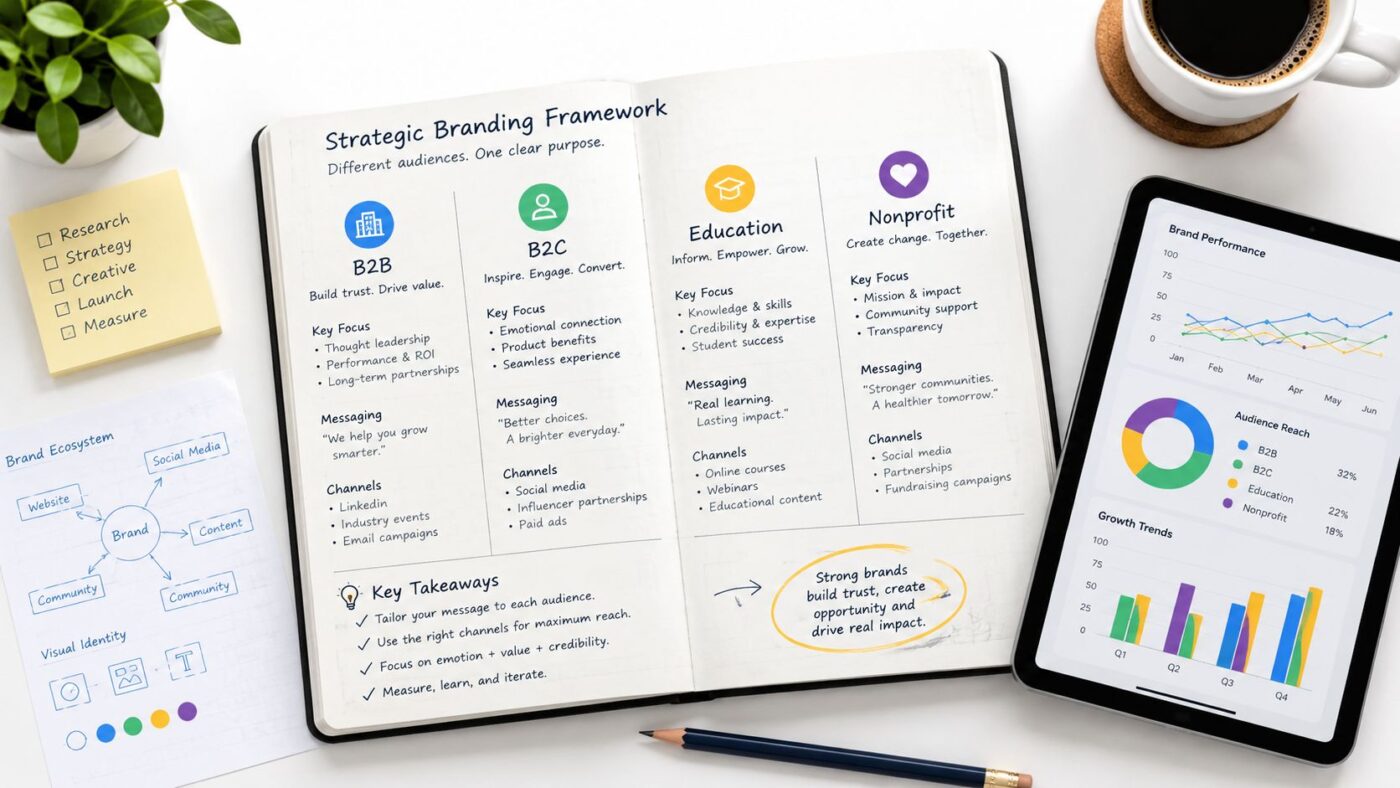
A recognisable name isn't enough to justify a higher price. Kantar's 2024 UK BrandZ analysis valued the UK's 75 most valuable brands at a combined $230 billion, yet that total fell 5% year on year. Kantar also found that UK brands were comparatively weak on being perceived as both different and meaningful, characteristics associated with […]

44% of working-age adults experienced conflict at work in the previous 12 months, and most workplace disputes are still resolved through informal conversations. The practical answer is to intervene early, speak directly where it's safe, and escalate to managerial involvement, mediation or a formal procedure when informal resolution stalls or the issue demands a documented […]

Over 90% of UK employees have experienced organisational change in their business, so changes in organisations are now a routine operational reality, not an exception. In practice, that means leaders need to manage continuous transition, not occasional disruption. Modern UK workplaces are being reshaped by restructuring, leadership turnover, and repeated process change. The key question […]

In the UK labour market, marketing analytics has moved into the mainstream. A live jobs benchmark recorded 143 permanent UK vacancies citing “Marketing Analytics” in the six months to 29 September 2026, compared with 27 vacancies a year earlier, and the median annual salary was £72,750. That shift matters because it shows analytics is no […]
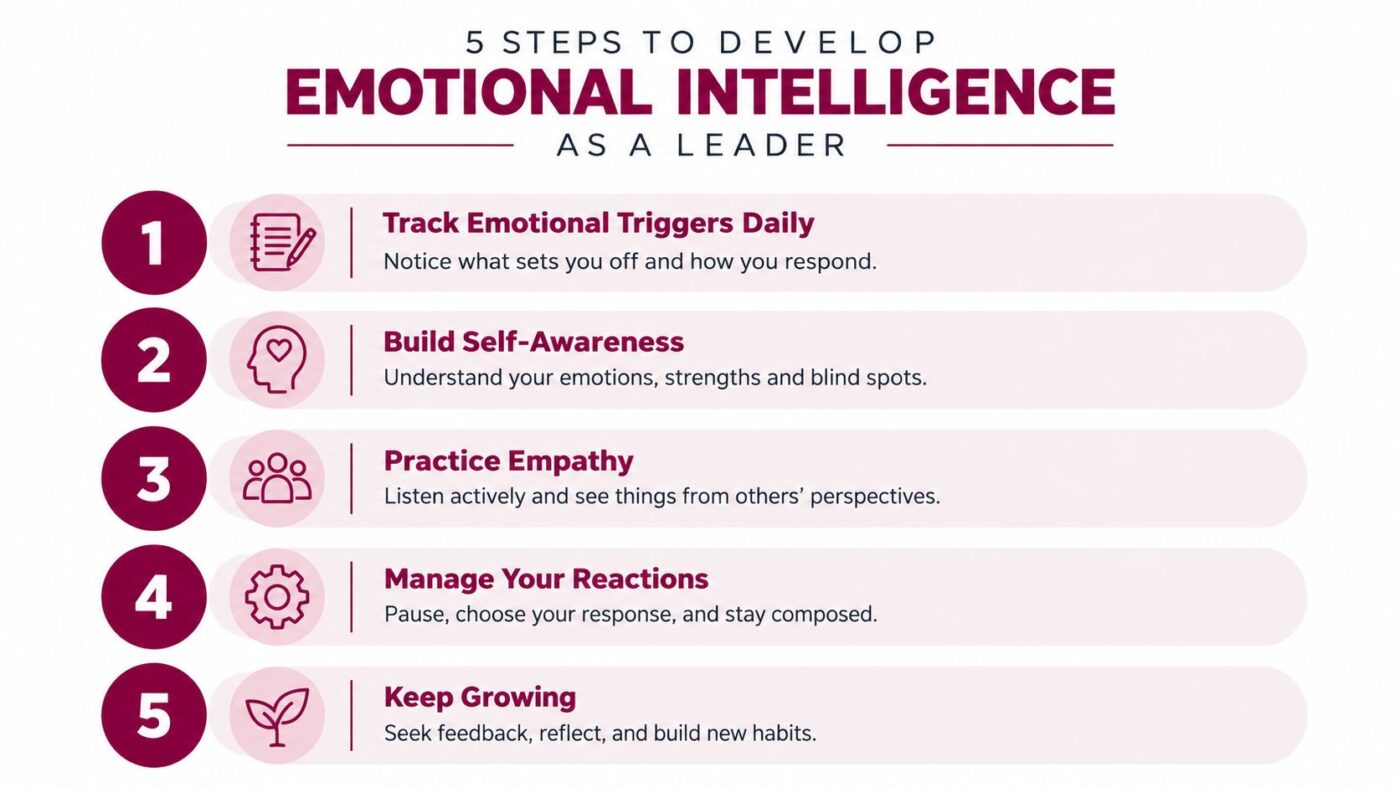
In the UK, 83% of organisations expect emotional intelligence to become a prerequisite for success within the next few years, yet only 26% have embedded it into leadership development or talent strategies, according to Capgemini's UK emotional intelligence findings. That gap captures the central leadership challenge. Organisations increasingly value emotional intelligence, but many still treat […]

Entrepreneurial success is less dependent on extroversion than popular culture suggests. In a UK survey, more than a third of business founders described themselves as introverts, while only 15% identified as “all-out extrovert”, challenging the idea that one personality type defines enterprise. (Virgin's survey of entrepreneurial personality) The useful question, then, isn't whether entrepreneurs are […]
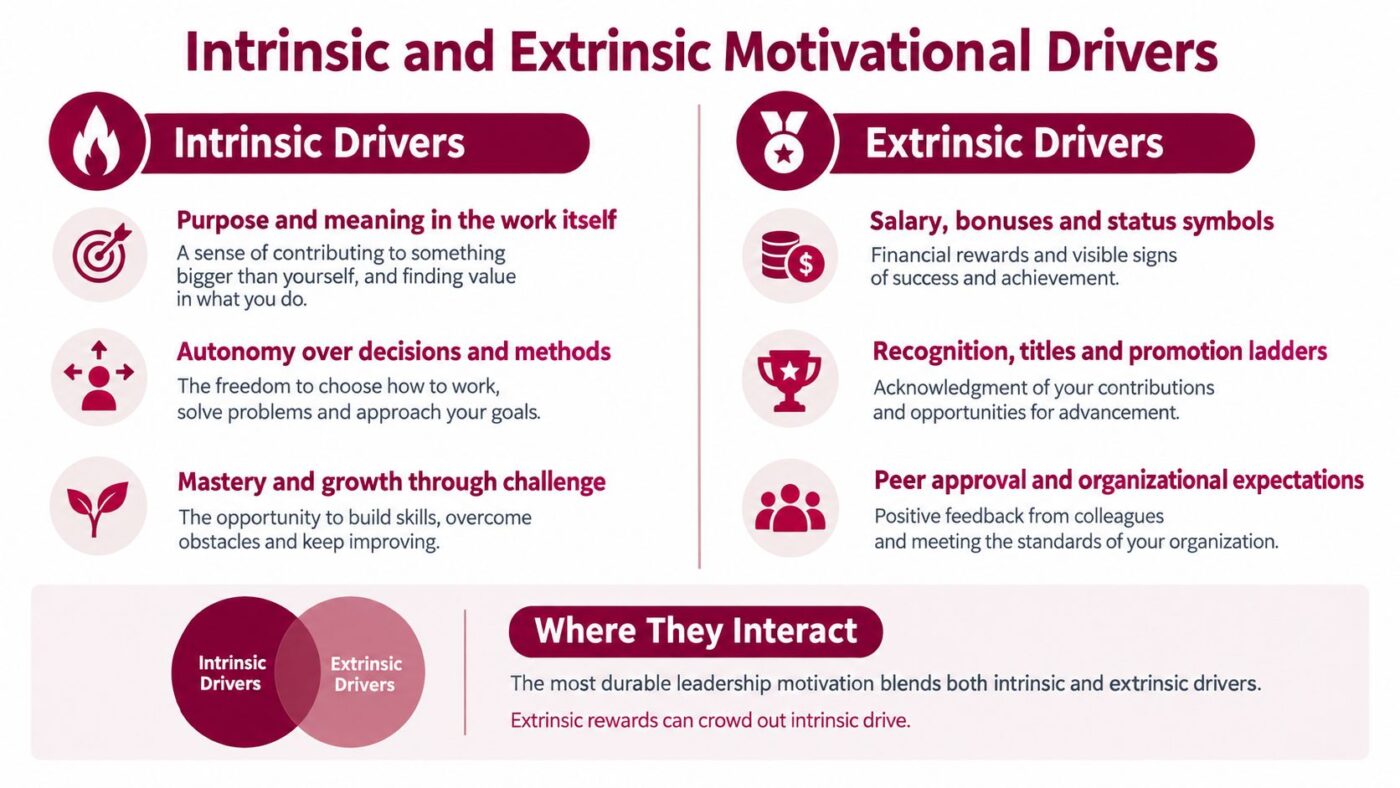
Popular advice about motivation for leaders often begins in the wrong place. It assumes that capable professionals naturally want authority, that a larger title will compensate for heavier responsibility, and that a compelling vision can sustain effort when the working conditions are poor. UK evidence points towards a different diagnosis: leadership motivation is shaped not […]